The Paradigm Shift in Marine Locomotion
Internal combustion engines (ICE) have propelled modern boating for over a century, bringing with them a legacy of noise, vibration, diesel fumes, and complex maintenance schedules. The adoption of electric propulsion systems strips away the myriad moving parts of traditional diesel engines, replacing them with a single moving element: the rotor. The result is a propulsion mechanism that is nearly silent, exceptionally reliable, and entirely free of localized emissions.
Electric motors deliver 100% of their maximum torque instantly from zero RPM. This characteristic fundamentally changes vessel handling, offering unmatched maneuverability in tight marinas and immediate responsiveness when fighting aggressive currents or swells.
Types of Electric Marine Motors
1. Inboard Shaft Drives
The most direct replacement for traditional diesel engines is the inboard electric motor. Bolted to the existing engine beds, these units connect to a standard propeller shaft and stuffing box. Because electric motors are significantly smaller and lighter than diesel blocks of equivalent power, they free up vast amounts of engine room space.
These motors are typically Brushless DC (BLDC) or Permanent Magnet Synchronous Motors (PMSM), cooled via a closed freshwater loop or, in high-power applications, specialized dielectric fluids.
2. Pod Drives
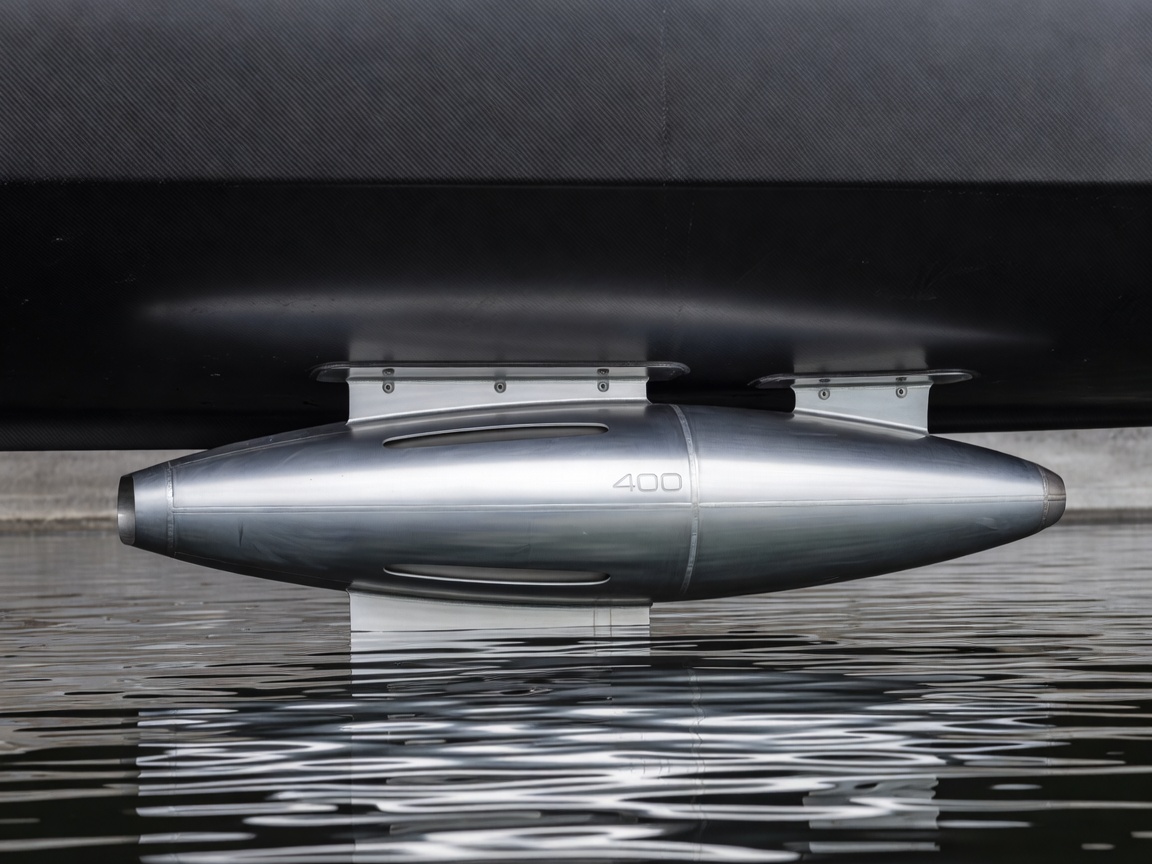
Pod drives encase the electric motor entirely in a hydrodynamic torpedo-shaped housing mounted beneath the hull. The propeller is driven directly by the motor shaft, completely eliminating the need for internal shafts, V-drives, or complex transmission gearing inside the boat.
Advantages of Pod Drives:
- Unparalleled cooling efficiency, as the motor is entirely submerged in ambient seawater.
- Massive space savings inside the hull, allowing designers to lower cabin soles or increase storage.
- Often rotatable (steerable pods), eliminating rudders and allowing for joystick-controlled omnidirectional maneuverability.
3. Saildrives
Favored by monohull sailboats and many catamarans, electric saildrives feature a motor mounted internally that drives a vertical leg passing through the hull. They are compact, easy to install in existing saildrive engine beds, and keep the expensive electronics safely inside a dry compartment while putting the propulsion gear efficiently in the water stream.
Hydrogeneration: Power Under Sail
One of the most profound advantages of electric propulsion on a sailing vessel is the ability to generate power while underway. As wind pushes the yacht through the water, the free-spinning propeller turns the electric motor.
Because an electric motor and an electric generator are functionally the same device operating in reverse, this rotation induces an electrical current. The motor controller captures this current and feeds it back into the main battery bank. At speeds above 6-8 knots, many modern catamarans can generate enough power via hydrogeneration to run all onboard hotel loads entirely, arriving at their destination with full battery banks despite heavy energy consumption.
Sizing and Kilowatt Ratings
Unlike diesel engines, which are rated in Horsepower (HP), electric motors are rated in Kilowatts (kW). Due to differences in torque curves and propeller matching, direct kW-to-HP conversion charts can be misleading. As a general industry rule of thumb, a 10kW electric motor can effectively replace a 25HP to 30HP diesel engine in a displacement hull application.
The primary constraint in electric propulsion is not the power of the motor, but the capacity of the battery bank feeding it. Pushing a heavy vessel at hull speed requires an exponential increase in energy compared to cruising at slightly lower speeds, making hydrodynamic efficiency just as critical as motor selection.